

Could the Fed Raise Rates Again? What Kevin Warsh Just Told Investors
All eyes were on Jackson Hole over the weekend, where Fed Chair Kevin Warsh struck a cautious tone on inflation and reminded markets that the Fed is not ready to declare victory. Inflation is still the problem, the economy is holding up better than many expected, and the next move on rates may be less predictable than investors hoped.
If you’ve been wondering whether the Fed is done hiking, whether cuts are still likely, or how all of this affects your portfolio, you’re in the right place. We’re breaking down what changed after Jackson Hole, what data investors should watch next, and how to think about portfolio positioning in a higher-for-longer rate environment.
Why Jackson Hole Mattered More Than Usual
The Jackson Hole Economic Symposium is always an event to watch, but this year’s message had a little more weight behind it. Warsh used one of the biggest stages in monetary policy to make a clear point: inflation is still running too hot, and the Fed is not ready to treat its two percent target as optional.
That matters because markets, for various reasons, had been leaning toward rate cuts. Many investors were already looking past inflation and focusing on when easing might begin. The outcome from Jackson Hole put the brakes on all of that.
What stood out most was the balance in the message. Warsh pointed to a combination of factors, including:
- Strong business investment
- Healthy consumer spending
- A stable labor market
- Inflation that is still above target
That dual statement is important. It tells you the Fed does not see a fragile economy that needs emergency support. Instead, it sees an economy resilient enough to handle a cautious or even restrictive policy stance if inflation does not cool fast enough.
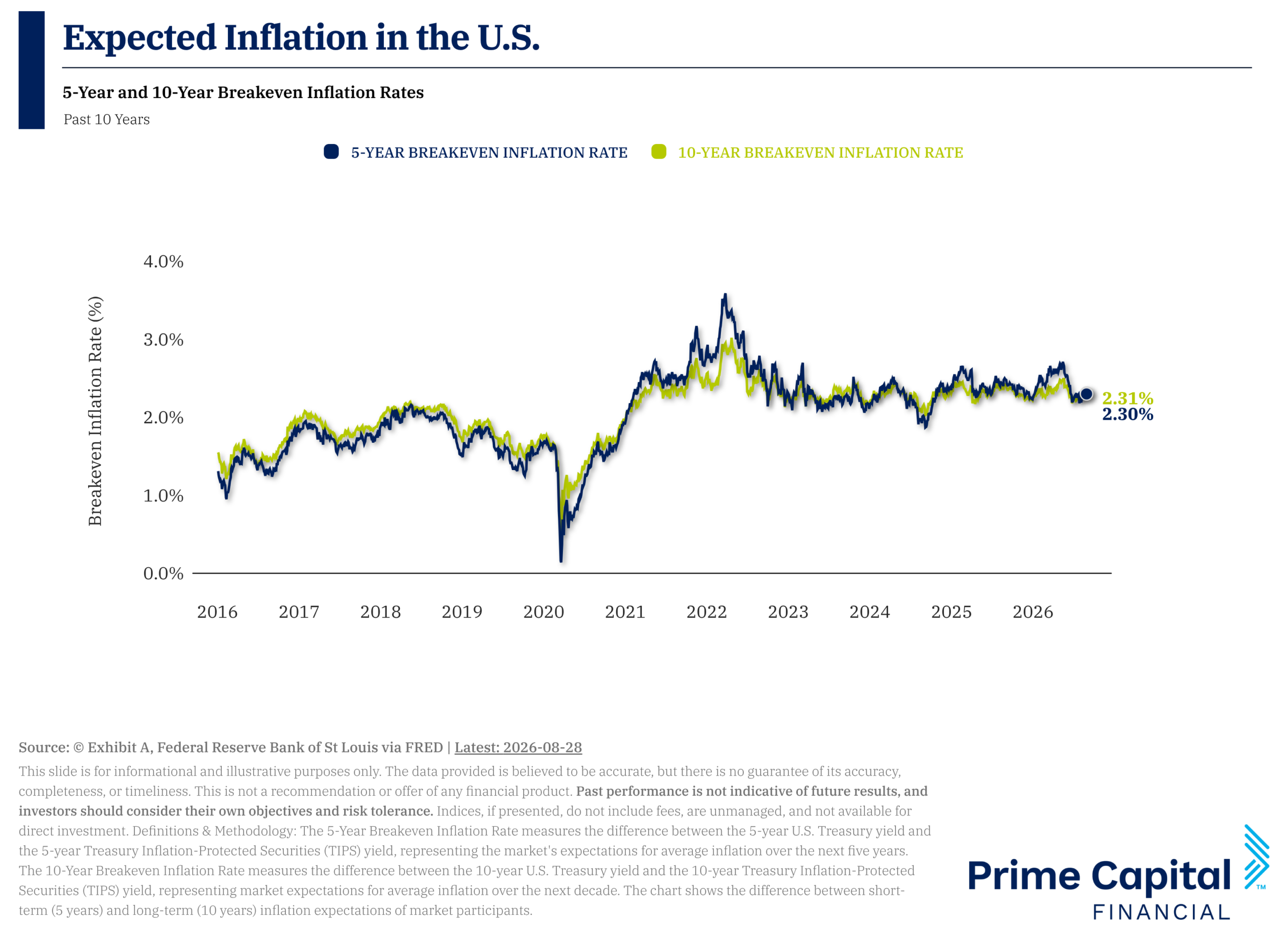
For investors, that means the conversation centers on whether the Fed may need to stay higher for longer, or even consider another hike if inflation does not move in the right direction.
Could Another Rate Hike Actually Happen?
That was the big question coming out of the conversation over the weekend. For months, the market focus has been on when rate cuts might begin. Jackson Hole reopened the possibility that the next move could still be up.
Prime Capital Financial portfolio manager, Clayton Allison, points out that the Fed will be watching the same data investors should be watching: CPI and PPI. Those reports are the best near-term clues for whether inflation is continuing to ease or starting to firm back up.
Here’s a practical way to think about it:
- If core inflation keeps rising month over month, the Fed gets boxed in.
The Fed has been adamant about getting inflation back to two percent. If the data pushes in the wrong direction, it becomes much harder to justify a cut. - If inflation slows more clearly, the door reopens for cuts.
A consistent deceleration would give the Fed more flexibility later in the year or beyond. - If the data is mixed, markets will stay jumpy.
That is where confusion tends to come from. It’s not really about one bad report, but rather uncertainty about how things are trending.
Allison notes that the market’s expectations have already moved around a lot. At one point, traders were pricing in a lower chance of a hike, and then that probability climbed sharply. That kind of swing tells you the market is not confident about the path forward.
The key point is this: the Fed is not reacting to headlines, and investors should not build portfolios around headlines either. The next decision will depend on inflation data, not market wishful thinking.
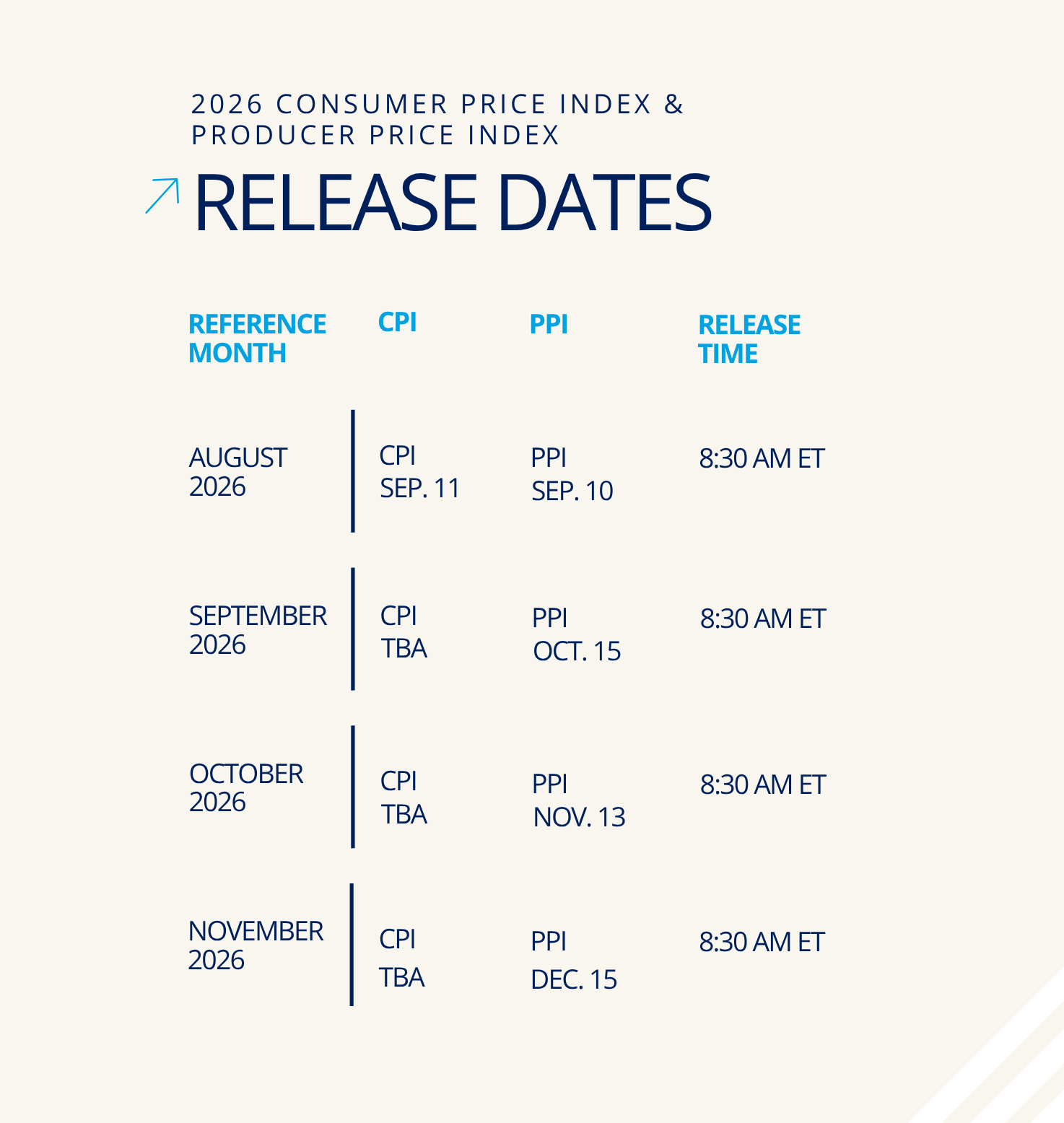
If you want to understand the next Fed meeting, watch the inflation reports first.
Why Forward Guidance Is Looking Less Useful
Another major takeaway from Jackson Hole was the Fed’s attitude toward forward guidance. Warsh challenged the idea that markets should expect the central bank to constantly telegraph what it will do next.That is a meaningful shift.
For years, investors have gotten used to parsing every Fed comment for clues. The market often wants the central bank to be precise, predictable, and easy to read. But the speech suggested the Fed may be less interested in providing that kind of roadmap.
Allison makes a good analogy by comparing Jackson Hole to a steep ski mountain: trail maps can help, but they are not the same thing as forward guidance. That captures the current environment well. The Fed may still explain its thinking, but it may not give investors the kind of clean, pre-announced path they have come to expect.
Why does this matter? Because less guidance usually means more volatility. When markets cannot rely on a clear signal, they tend to react more sharply to each new data point.
There is also a bigger policy tension underneath all of this. If the Fed believes inflation must come down faster, it may have to act even if that creates friction with political preferences for lower rates. That tension adds another layer of uncertainty to the outlook.
But there is a silver lining: when rates remain higher, some investors benefit. Retirees, for example, may be able to earn more income from cash, short-term fixed income, or more conservative portfolio structures. Higher rates are not automatically bad for everyone. They create winners and losers depending on how your assets are positioned.
Gone are the days when the Fed held the hands of investors through every move (at least for now). The lesson here is simple: Build a plan that can function without perfect clarity.
How to Position Your Portfolio in a Higher-For-Longer Environment
This is where the conversation becomes especially useful for everyday investors. If rates stay higher than markets expect, not every part of the market will respond the same way.
Allison lays out the main areas of risk and opportunity clearly.
Sectors that may face pressure include:
- Real estate – More sensitive to borrowing costs and refinancing pressure
- Utilities – Often bond-like in behavior, so they can struggle when yields rise
- Long-duration growth stocks – Especially the unprofitable, high-volatility names
- Long-duration bonds – Prices can fall as yields move higher
The common thread is interest-rate sensitivity. If your investment depends heavily on cheap borrowing or low discount rates, a higher-rate regime can create a headwind.
The opportunity may improve in:
- Shorter-duration fixed income – Less exposure to rate risk
- Quality equities – Companies with strong balance sheets and real earnings power
- Income-oriented positions – Especially for investors who want more yield
- Businesses with pricing power – Firms that can manage costs without relying on debt
Shortening duration is one of the more practical adjustments investors can consider. Don’t abandon fixed income altogether. Instead, be more intentional about how much interest-rate risk you are taking.
The same is true for equities. Not all stocks are equally vulnerable when rates are high. Companies with strong cash flow, manageable debt, and durable margins are usually better positioned than businesses that need constant financing to grow.
At the end of the day, a 25-basis-point hike, or even a shift in expectations around one meeting, is not the right reason to make a major portfolio change. That kind of fine-tuning usually creates more disruption than value.
Instead, think in terms of positioning, not prediction. Ask whether your portfolio can handle a few different rate paths without breaking.
What Investors Should Actually Do Next
The biggest mistake investors can make right now is treating one Fed meeting or one inflation report like it decides everything. It does not.
Instead, focus on the trend. Is inflation continuing to cool? Is growth still resilient? Are rates staying elevated long enough to change the shape of your portfolio risk?
If you are unsure, this is a good moment to step back and review:
- How much rate sensitivity you have in your fixed income
- Whether your equity exposure is tilted too heavily toward speculative growth
- Whether your income strategy still makes sense if yields stay elevated
- Whether your portfolio is built for one outcome or several
We may be biased, but working with a professional can help. A good advisor is looking at the bigger picture and helping you make decisions that fit your time horizon, income needs, and risk tolerance.
The Fed is not committing to a predetermined path, inflation is still too high, and the economy remains resilient. That means markets may need to stay flexible for a while.
Your strategy should be flexible too.
Frequently Asked Questions About The Jackson Hole Economic Symposium
What did the Jackson Hole Economic Symposium tell investors about interest rates?
Sentiments coming from Jackson Hole suggested that the Fed is still focused on inflation and is not ready to declare victory. That means rate cuts are not guaranteed, and another hike cannot be ruled out if inflation data stays hot.
What inflation data matters most right now?
CPI and PPI are the key reports to watch. CPI is usually easier for most investors to understand, while PPI can help show whether price pressure is building earlier in the supply chain.
Is another rate hike likely?
It depends on the data. If inflation continues to run above target or reaccelerates, a hike becomes more plausible. If inflation cools more clearly, the Fed has more room to hold or eventually cut.
Which parts of a portfolio are most sensitive to higher rates?
Real estate, utilities, long-duration growth stocks, and long-duration bonds tend to be the most rate-sensitive. Shorter-duration fixed income and quality equities often hold up better.
Should I make a big portfolio change after one Fed meeting?
Usually no. A single meeting should not drive a major allocation shift. It is better to build a portfolio that can handle multiple rate environments rather than trying to guess the Fed’s next move.
Let’s Chat!
If you have questions about this topic, or any others, and would like to speak to a financial advisor, fill out the form below and a member from our team will reach out to you shortly.
Advisory products and services offered by Investment Adviser Representatives through Prime Capital Investment Advisors, LLC (“PCIA”), a federally registered investment adviser. Tax planning and preparation services are offered through Prime Capital Tax Advisory. PCIA: 6201 College Blvd., Suite 150, Overland Park, KS 66211. PCIA doing business as Prime Capital Financial | Wealth | Retirement | Wellness | Family Office | Tax Advisory.